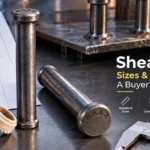

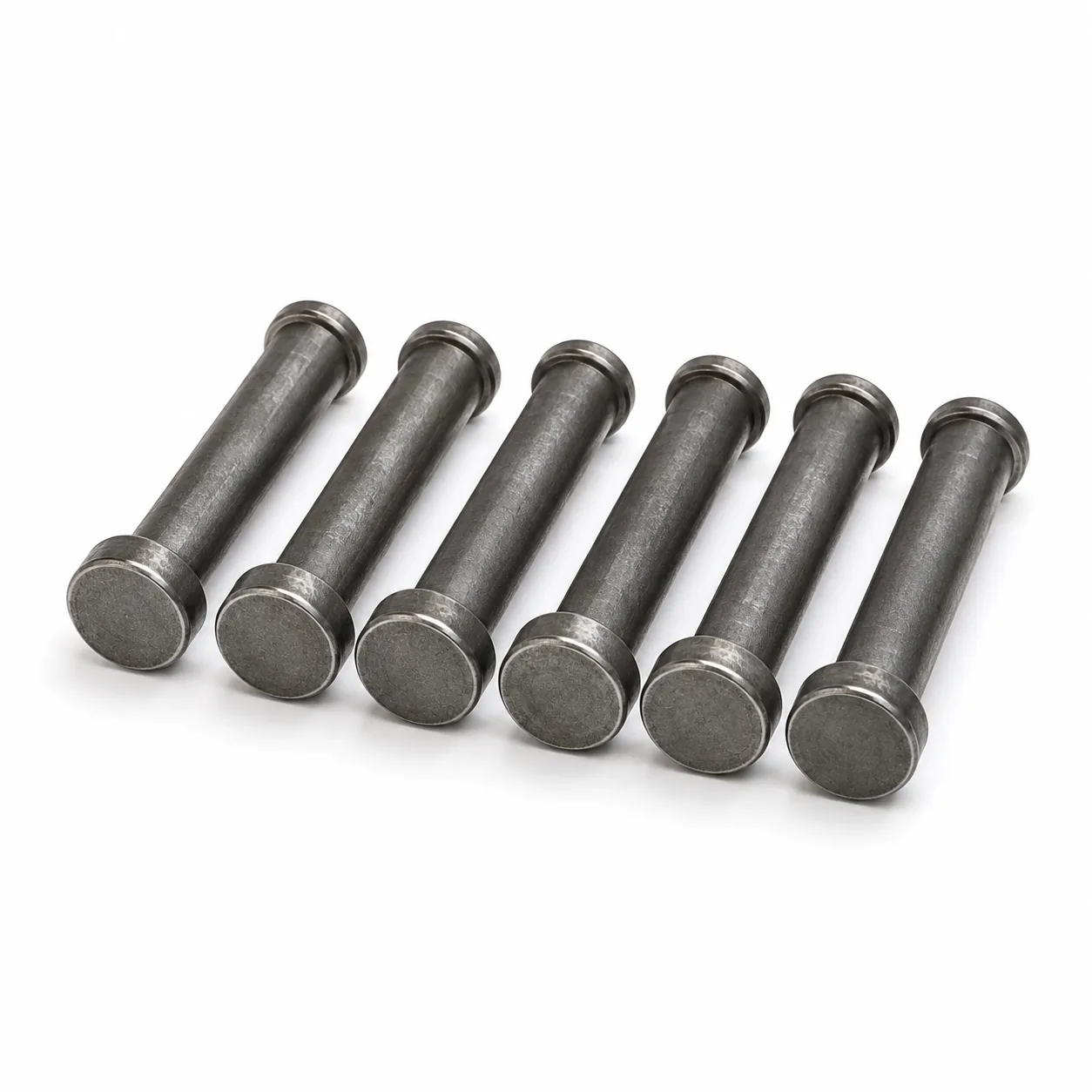
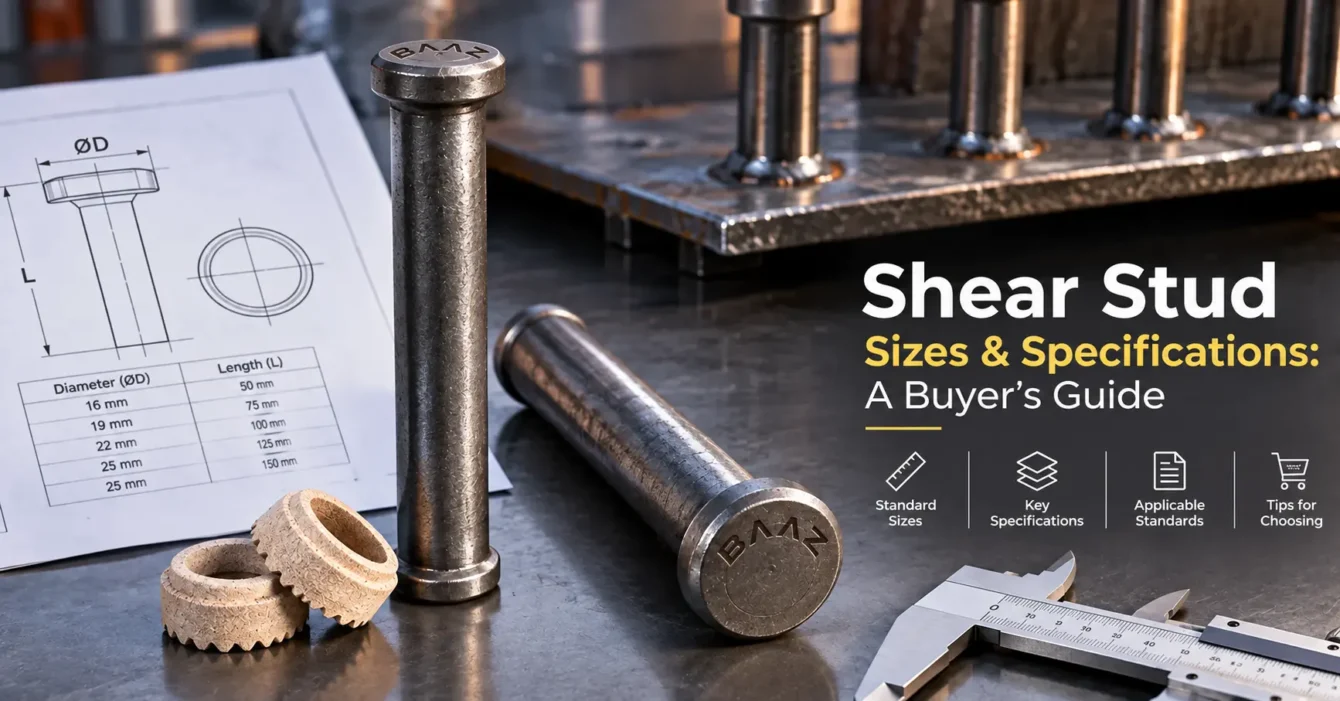
Shear studs are sized by diameter (typically M12–M25), length (up to 300mm), and welding components — an aluminium arc-initiation tip and a ceramic ferrule. The right size depends on the composite beam’s design load, deck profile, and concrete slab thickness, and should always follow the structural engineer’s design specification rather than a general rule of thumb. Standard diameters correspond to specific shear capacities, so mismatched sizing directly affects composite action between the steel beam and concrete slab. Buyers should confirm diameter, length, tip type, and ferrule compatibility with their welding equipment before ordering.
Specifying shear studs correctly is less about picking a size off a shelf and more about matching the stud to a structural design. Get it wrong, and the composite action between steel and concrete simply doesn’t perform as intended. This guide walks through what actually determines shear stud sizing, so you’re ordering the right product the first time — not guessing and hoping the fabricator catches it.
H2: What Determines Shear Stud Size?
Shear stud sizing isn’t arbitrary — it’s derived from the structural engineer’s design calculations, based on a few core factors:
- Design shear load — the horizontal shear force the connection needs to transfer between the steel beam and concrete slab
- Deck profile — the depth and rib geometry of metal decking, where used, affects how much of the stud’s length actually engages the concrete above the deck
- Concrete slab thickness — the stud needs sufficient embedment length into the slab to develop its full shear capacity
- Beam flange width — determines how many studs can be placed per row and the spacing between them
Because of this, shear stud size should always come from the structural drawings and specification, not be selected independently by whoever is placing the order. A buyer’s role is to source the exact size specified — reliably, in the right quantity, on time — not to make sizing decisions.
H2: Standard Shear Stud Diameters
Shear studs are most commonly available in the following diameters, each suited to different load and application ranges:
| Diameter | Typical Use Case |
|---|---|
| M12 | Lighter composite floor systems, smaller deck profiles |
| M16 | Common mid-range composite beams and floor slabs |
| M19 | Widely used in composite bridge decks and mid-to-large structures |
| M22 | Heavier composite beams, larger design shear loads |
| M25 | High-capacity composite connections, major structural applications |
Larger diameters carry higher shear capacity per stud, which affects how many studs a design calls for per beam — a structural engineer will typically balance diameter against stud spacing and quantity, not maximize one at the expense of the other.
H2: Shear Stud Length — Why It’s Not Just “Longer Is Better”
Length matters because it determines embedment into the concrete slab, which is what actually develops the stud’s full shear capacity. Baaz Fasteners manufactures shear studs up to 300mm in length, but the correct length for a given project depends on:
- Total slab depth above the metal deck (where decking is used)
- Minimum concrete cover requirements above the stud head
- Reduction in effective length caused by through-deck welding, where studs are welded through the decking into the beam below
A stud that’s too short won’t develop full composite action. A stud that’s too long can push against top reinforcement or reduce cover below code minimums. Neither error is something a fabricator should be left to guess around on-site — length needs to be specified up front, matching the actual deck and slab design.
H2: Understanding the Welding Components — Tip and Ferrule
Two components determine weld quality, and buyers should confirm both before ordering, not just diameter and length:
Arc-initiation tip: A small aluminium tip at the stud’s leading end stabilizes the welding arc and deoxidizes the weld pool during drawn-arc welding, producing a more consistent, full-fusion bond than the stud alone would achieve.
Ceramic ferrule: A ceramic collar fitted around the base of the stud shields the molten weld pool from atmospheric contamination and shapes a uniform fillet weld at the base. Ferrules are consumable — used once per weld and then discarded — so order quantities should account for one ferrule per stud, not per project.
Compatibility with your specific stud welding equipment (gun type, power output, welding parameters) should also be confirmed before a bulk order, since not all equipment is calibrated for every diameter and length combination.
H2: A Practical Ordering Checklist
Before placing an order, confirm:
- Diameter — as specified on the structural drawings (M12–M25)
- Length — accounting for deck profile and required embedment
- Quantity — including a reasonable allowance for welding trials and rejects
- Ferrule compatibility — matched to your welding gun and process
- Standards compliance — confirm the manufacturer’s studs meet the project’s specified standard
- Lead time — particularly for bulk orders on time-sensitive construction schedules
H2: Frequently Asked Questions
What’s the most common shear stud diameter used in composite construction? M19 is widely used across composite bridge decks and mid-to-large structures, though the correct diameter always depends on the specific structural design.
Can shear stud length be cut or adjusted on site? No — shear studs are manufactured to a fixed length matched to the design’s embedment requirements. Length should be specified correctly at the ordering stage, not adjusted after manufacture.
Are ferrules reusable? No — ceramic ferrules are single-use. Order quantities should include one ferrule per stud, with allowance for welding trials.
Do all shear studs use the same welding process? Most shear studs are designed for drawn-arc welding, but it’s worth confirming compatibility with your specific stud welding equipment before a bulk order.
H2: Sourcing Shear Studs for Your Next Project
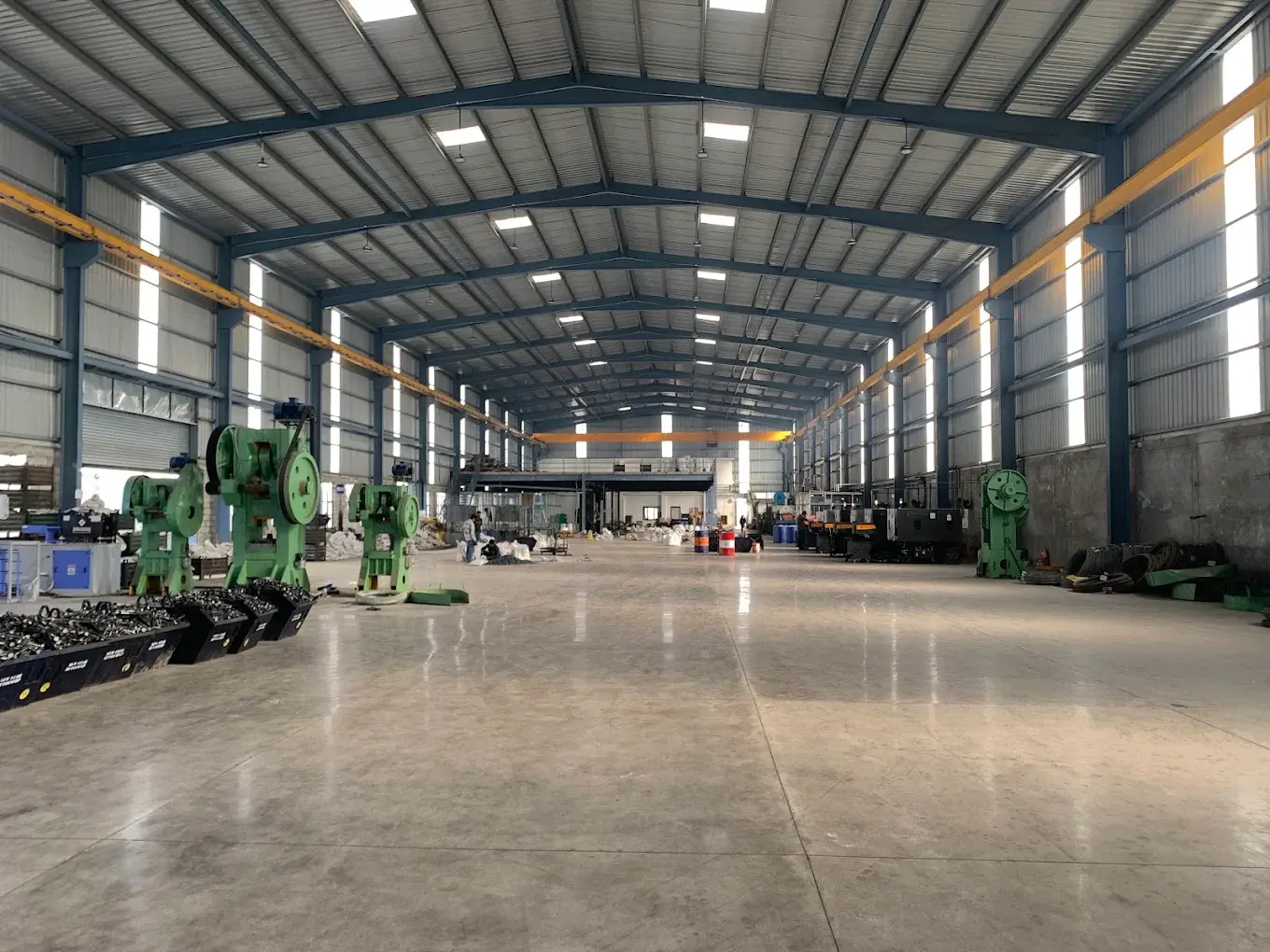
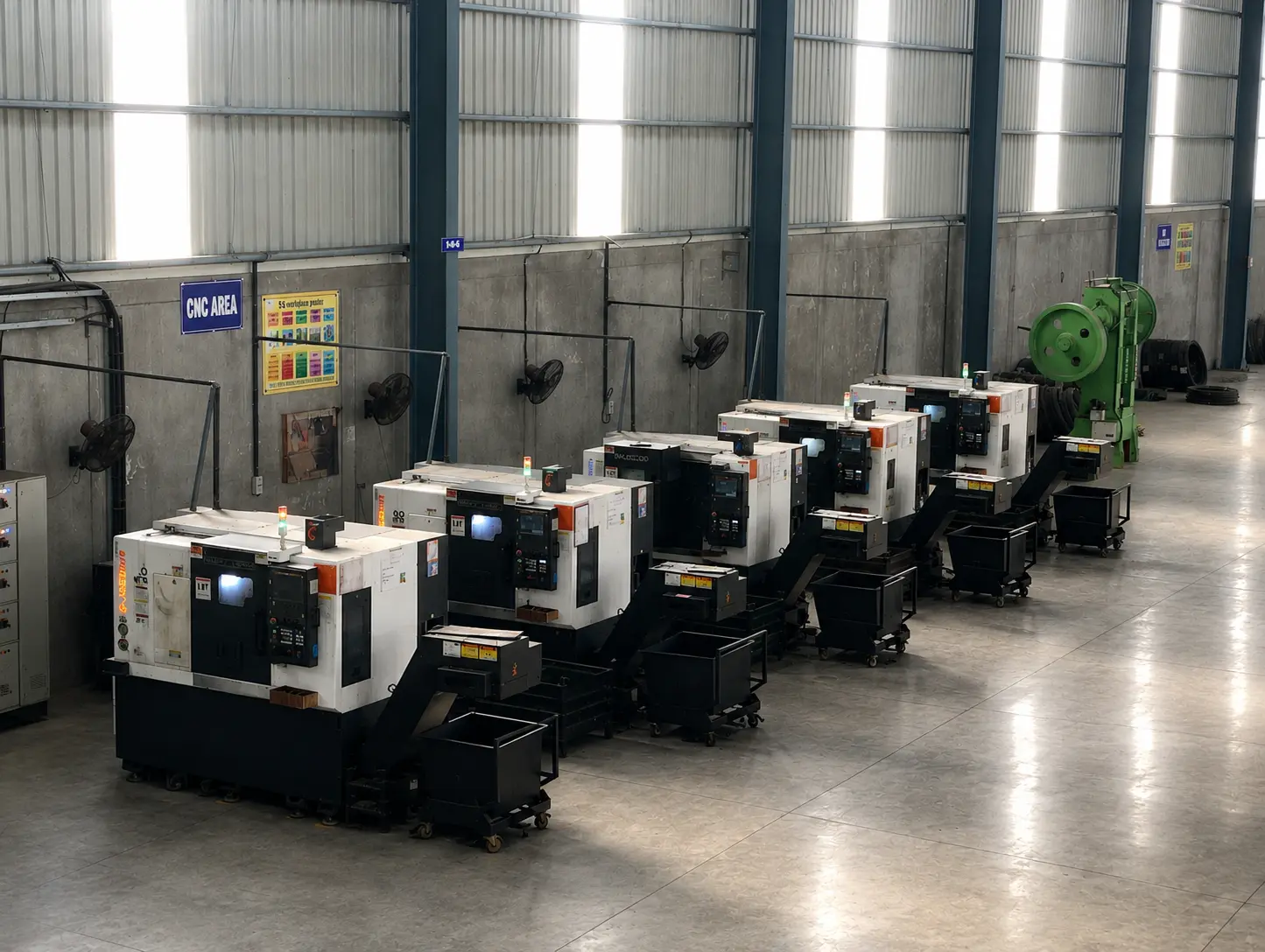
Getting shear stud sizing right the first time avoids delays, rework, and composite action that doesn’t perform as designed. As a Shear Studs Manufacturer in Ludhiana, Baaz Fasteners produces shear studs from M12 to M25 in lengths up to 300mm, with aluminium arc-initiation tips and ceramic ferrules built for consistent, full-fusion welds — backed by over 60 years of fastener manufacturing experience and in-house quality testing.