
IS 3757 is the Indian standard for high strength structural bolts, used as HSFG (high strength friction grip) bolts in steel buildings, bridges, towers and industrial structures. The bolts come in two structural property classes, 8.8S and 10.9S, typically in sizes M16 to M36, and are used with IS 6623 nuts and IS 6649 hardened washers. Installation follows IS 4000, using torque control, turn-of-nut or direct tension indicators. Unlike ordinary bolts, HSFG bolts are tightened to a high preload so the joint carries load by friction between the plates, not by bolt shear alone.
What Is IS 3757?
IS 3757 is the Bureau of Indian Standards specification for high strength structural bolts used in steel structures. When engineers and buyers talk about “IS 3757 HSFG bolts”, they mean bolts made to this standard and tightened to a controlled preload, so the joint resists slip through friction between the connected plates.
The standard’s current form is IS 3757:1985, which has been amended since. BIS can revise standards, so confirm the edition named in your project specification. If you want to understand how these bolts differ from ordinary bolts first, read our guide to HSFG bolts vs regular bolts.
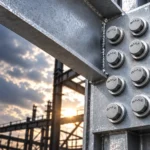
You will find IS 3757 bolts in steel buildings, bridges, transmission towers, industrial plants, metro projects and pre-engineered buildings, where joints must not slip under fatigue or vibration. Our HSFG bolts are made to IS 3757, as well as EN 14399 and ASTM A325.
Grades 8.8S and 10.9S
IS 3757 bolts are supplied in two structural property classes. The “S” suffix marks them as structural-grade bolts, and the numbers follow the same logic as other metric property classes: the first number times 100 gives the nominal tensile strength in MPa. If you need a refresher, see Bolt Grades Explained.
| Property Class | Nominal Tensile Strength | Typical Minimum Tensile (MPa) | Typical Minimum Yield (MPa) | Matching Nut Class |
|---|---|---|---|---|
| 8.8S | 800 MPa | 830 | 660 | 8 |
| 10.9S | 1000 MPa | 1040 | 940 | 10 |
The minimum values shown are typical for large-diameter structural bolts and are given for orientation. The binding values are those in IS 3757 and on the manufacturer’s test certificate.
Class 8.8S is common for general structural steelwork. Class 10.9S is chosen where the design needs a higher preload from a smaller bolt, such as in heavily loaded joints, towers and bridges.
Sizes, Nuts and Washers
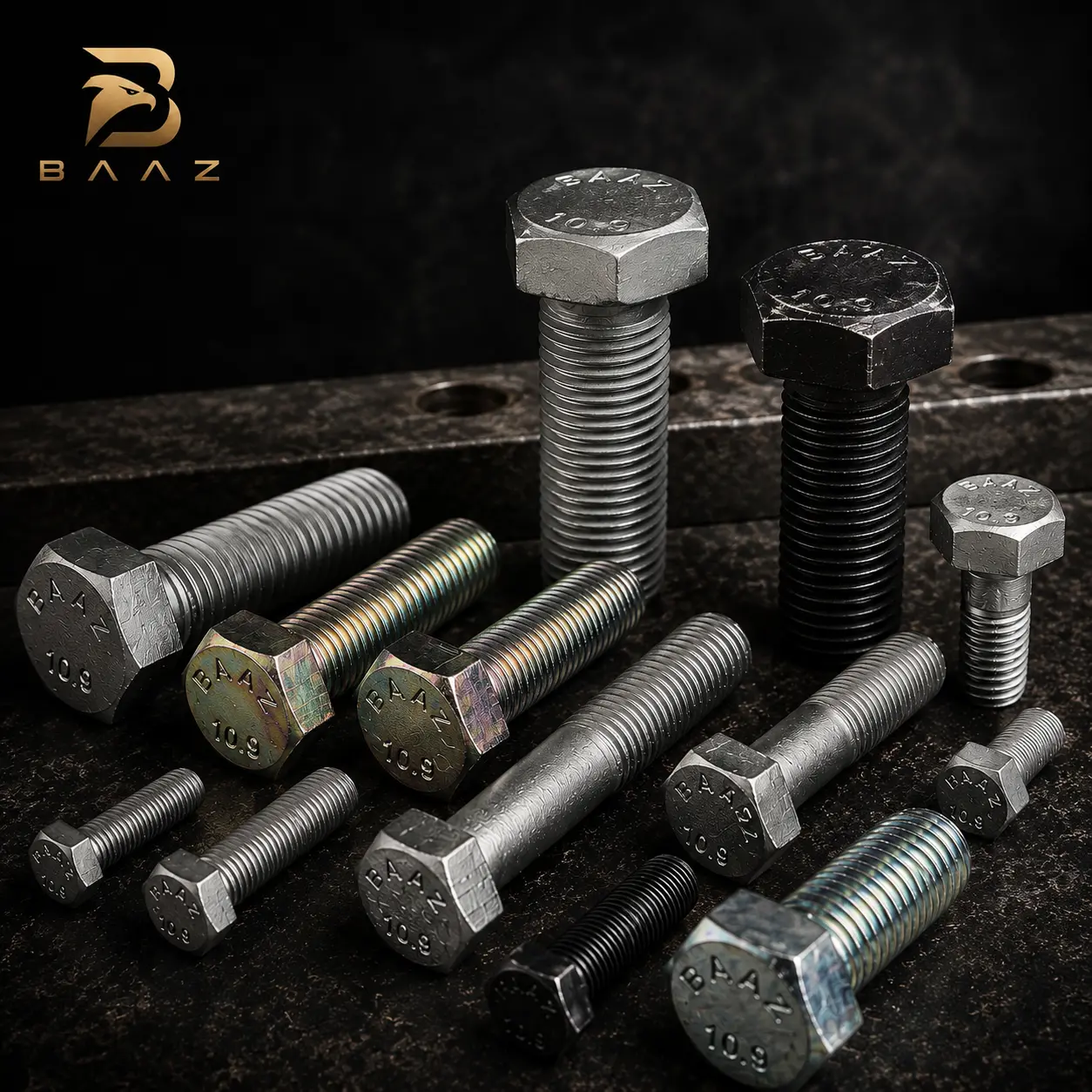
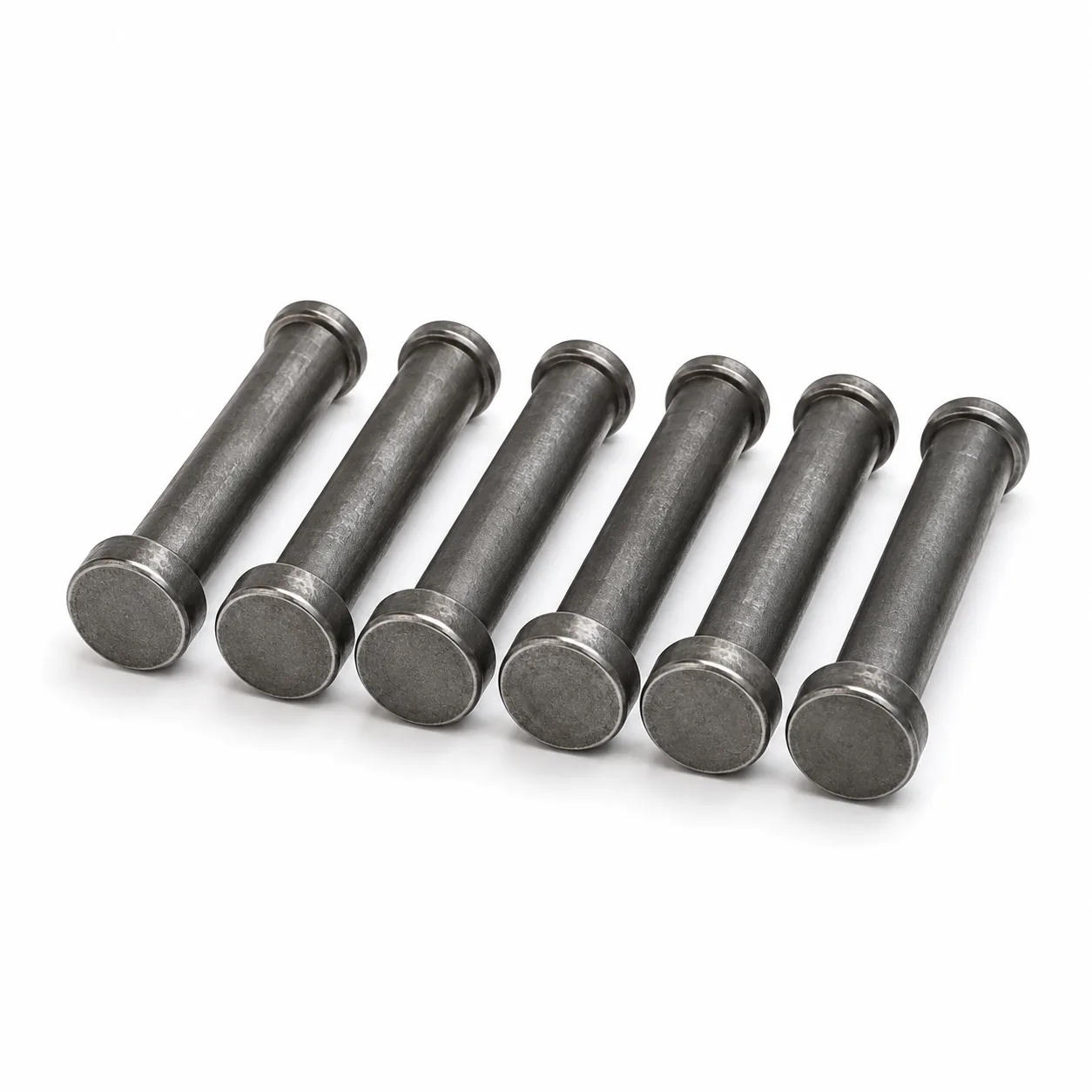
IS 3757 covers heavy hex head structural bolts, typically in diameters from M16 to M36. The head has a larger width across flats than a standard hex bolt, which spreads the clamping force over a bigger area of the plate. Manufacturers such as Baaz also supply sizes outside this range, such as M12, under other standards like EN 14399.
An HSFG joint is a set, not a single bolt:
- Bolt: to IS 3757, class 8.8S or 10.9S.
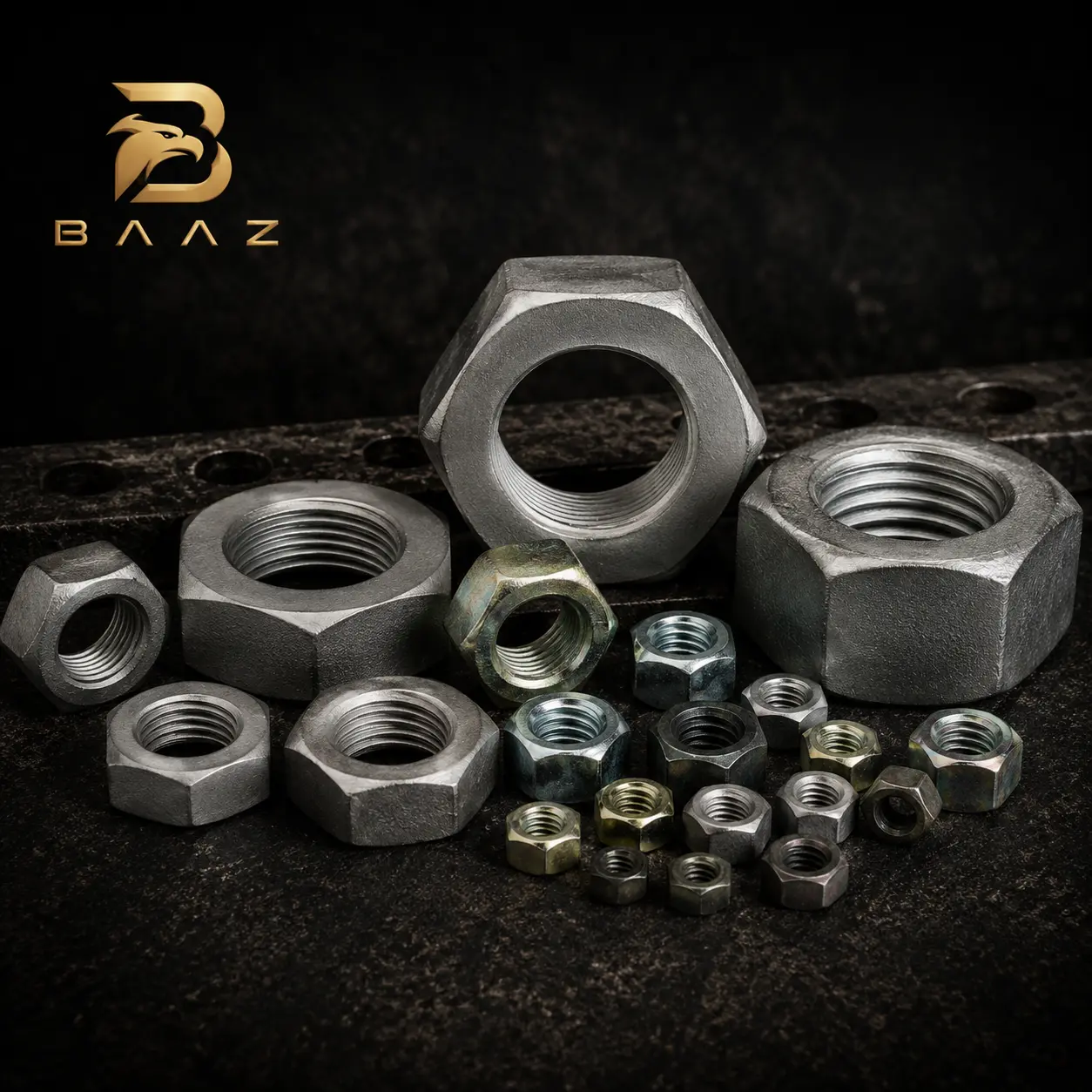
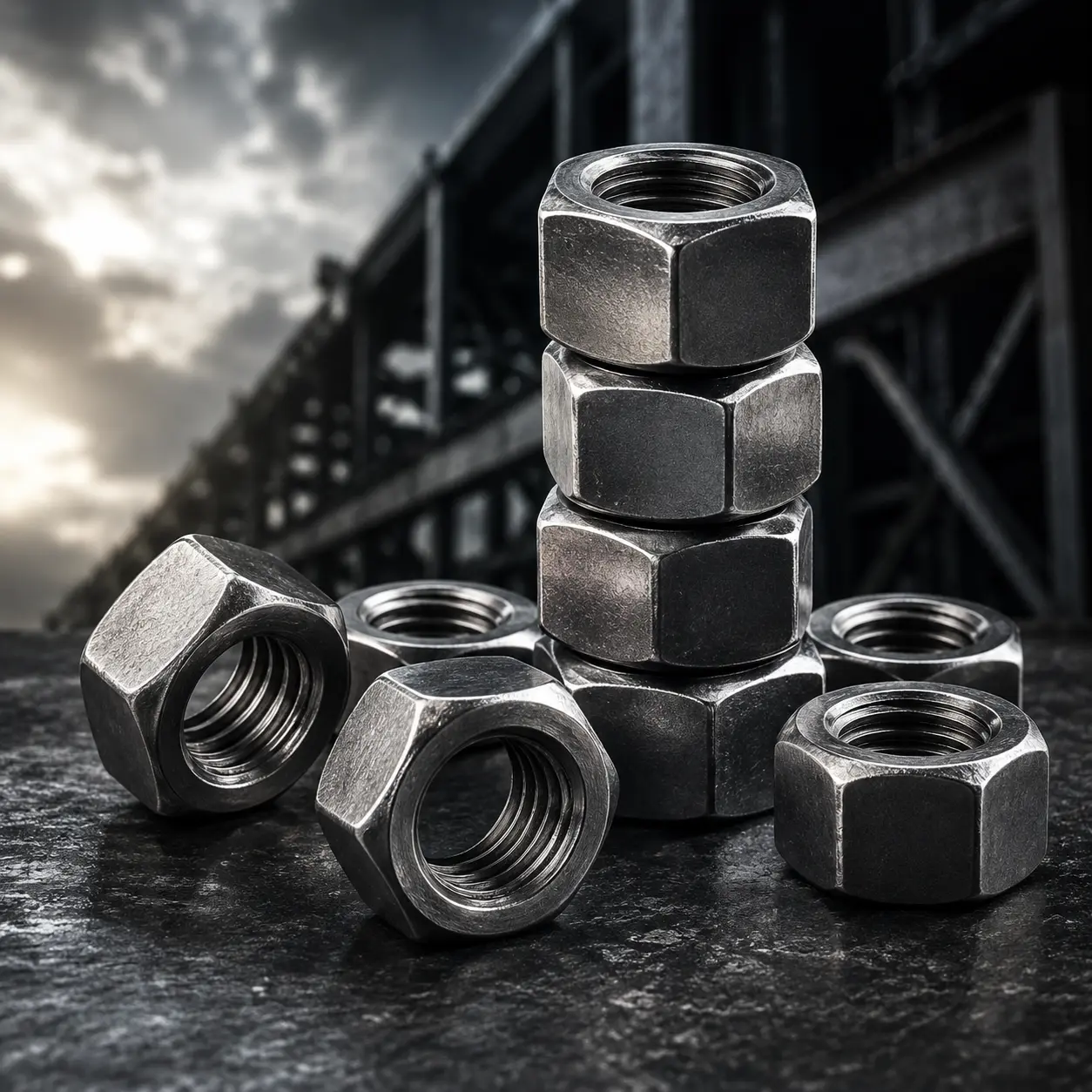
- Nut: high strength structural nut to IS 6623, class 8 with 8.8S bolts and class 10 with 10.9S bolts.
- Washer: hardened and tempered washer to IS 6649, so the nut or head bears on a hard surface and does not embed into the plate.
Order all three from the same supplier and the same lot. Mixed components make the tightening results less predictable.
Marking on the Bolt and Nut
Look for these marks on the components before you accept a delivery:
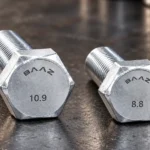
- Bolt head: the property class (8.8S or 10.9S) and the manufacturer’s identification mark.
- Nut: the nut class (8 or 10) and the manufacturer’s mark.
- Washer: the manufacturer’s mark, where the standard or the supplier provides it.
Unmarked or unclear bolts should be rejected, because the marking is the first proof of what you are installing. Keep the manufacturer’s test certificate with the delivery so the markings can be matched to the lot.
Preload Values
The strength of an HSFG joint comes from the clamping force in each bolt. In Indian design practice, the design preload is based on 0.7 × fub × An, where fub is the bolt’s tensile strength by class (800 MPa for 8.8, 1000 MPa for 10.9) and An is the net tensile stress area. These are indicative values for common sizes:
| Bolt Size | Stress Area (mm²) | Class 8.8 Preload (kN) | Class 10.9 Preload (kN) |
|---|---|---|---|
| M16 | 157 | 88 | 110 |
| M20 | 245 | 137 | 172 |
| M22 | 303 | 170 | 212 |
| M24 | 353 | 198 | 247 |
| M27 | 459 | 257 | 321 |
| M30 | 561 | 314 | 393 |
| M36 | 817 | 458 | 572 |
Use the preload values from the project design (IS 800) and the installation procedure for the actual job.
How HSFG Bolts Are Tightened (IS 4000)
Installation of HSFG bolts is covered by IS 4000, the Indian code of practice for assembly of structural joints using high tensile friction grip fasteners. The methods you will meet on site are:
- Torque control: tighten with a calibrated torque wrench or a calibrated power wrench to a set torque.
- Turn-of-nut (part-turn) method: bring the joint to a snug-tight condition, then turn the nut by a specified rotation.
- Direct tension indicator (DTI) washers: confirm the bolt tension visually, where the specification asks for them.
Whichever method is used, the wrench must be calibrated, the threads and nut faces must be clean, and the tightening should proceed from the stiffest part of the joint outwards. Keep inspection records, because they are often required for acceptance.
IS 3757 vs EN 14399 vs ASTM A325
Projects often ask for more than one standard, especially for export work or when the design basis is European or American. Here is how they compare in practice:
| Aspect | IS 3757 | EN 14399 | ASTM A325 |
|---|---|---|---|
| Origin | India (BIS) | Europe (CEN) | USA (ASTM) |
| Property Classes | 8.8S, 10.9S | 8.8, 10.9 (HR); 10.9 (HV) | Grade A325 (A490 for higher strength) |
| Nut and Washer | IS 6623 nuts, IS 6649 washers | Matched nut and washers in a tested assembly | ASTM A563 nuts, ASTM F436 washers |
| What Is Certified | Bolt, nut and washer to their respective standards | The complete assembly, with k-class | Bolt, nut and washer to their respective standards |
| Installation Reference | IS 4000 | EN 1090-2 | RCSC specification |
They are not interchangeable by default. If a project specifies one standard, supply that one, or get written approval for an equivalent. For the European system in detail, see HR vs HV bolts and our EN 14399 structural bolt assemblies. ASTM A325 is now published within ASTM F3125, so you may see both references in tenders.
How to Choose an HSFG Bolt Manufacturer
Structural joints are safety-critical, so the supplier matters as much as the standard. Use this checklist when you compare quotes:
- Test certificates for every lotAsk for EN 10204 3.1 mill test certificates covering chemistry, tensile strength, yield strength and hardness for each batch.
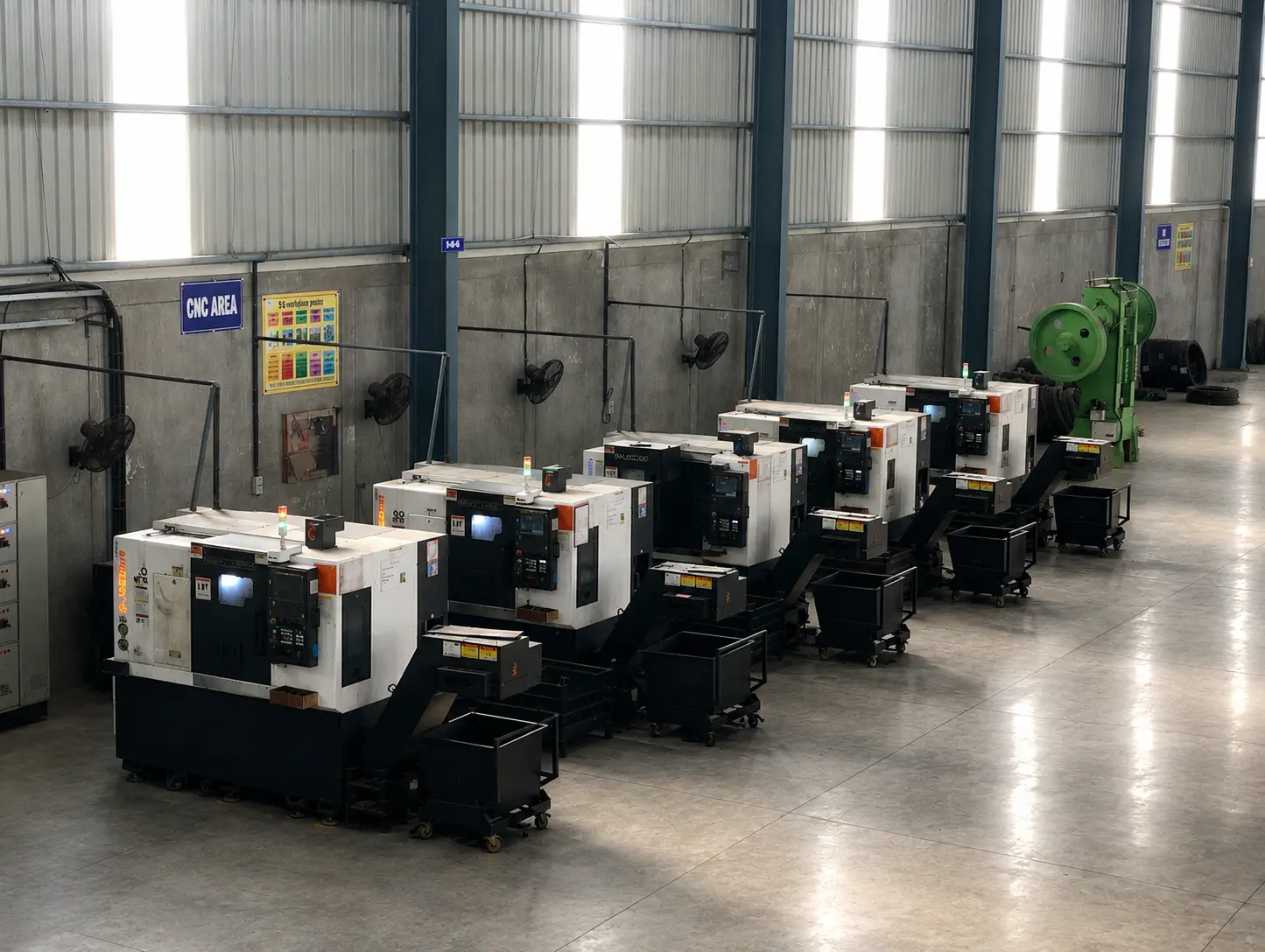
- Proof load and tensile testing in-houseA manufacturer with its own universal testing machine, hardness testers and magnetic particle crack detection can show results, not just claims.
- Matched bolts, nuts and washersBuy the full set from one source, so the components are tested and supplied together.
- Clear marking and traceabilityEvery bolt should carry its class and manufacturer mark, and the lot should be traceable back to the heat of steel.
- Standards and approvals that match your projectCheck that the supplier can work to IS 3757, EN 14399 or ASTM as required, and ask whether railway or utility approvals apply to your job.
- Quality systemsLook for IATF 16949 and ISO 14001 certification as evidence of controlled processes.
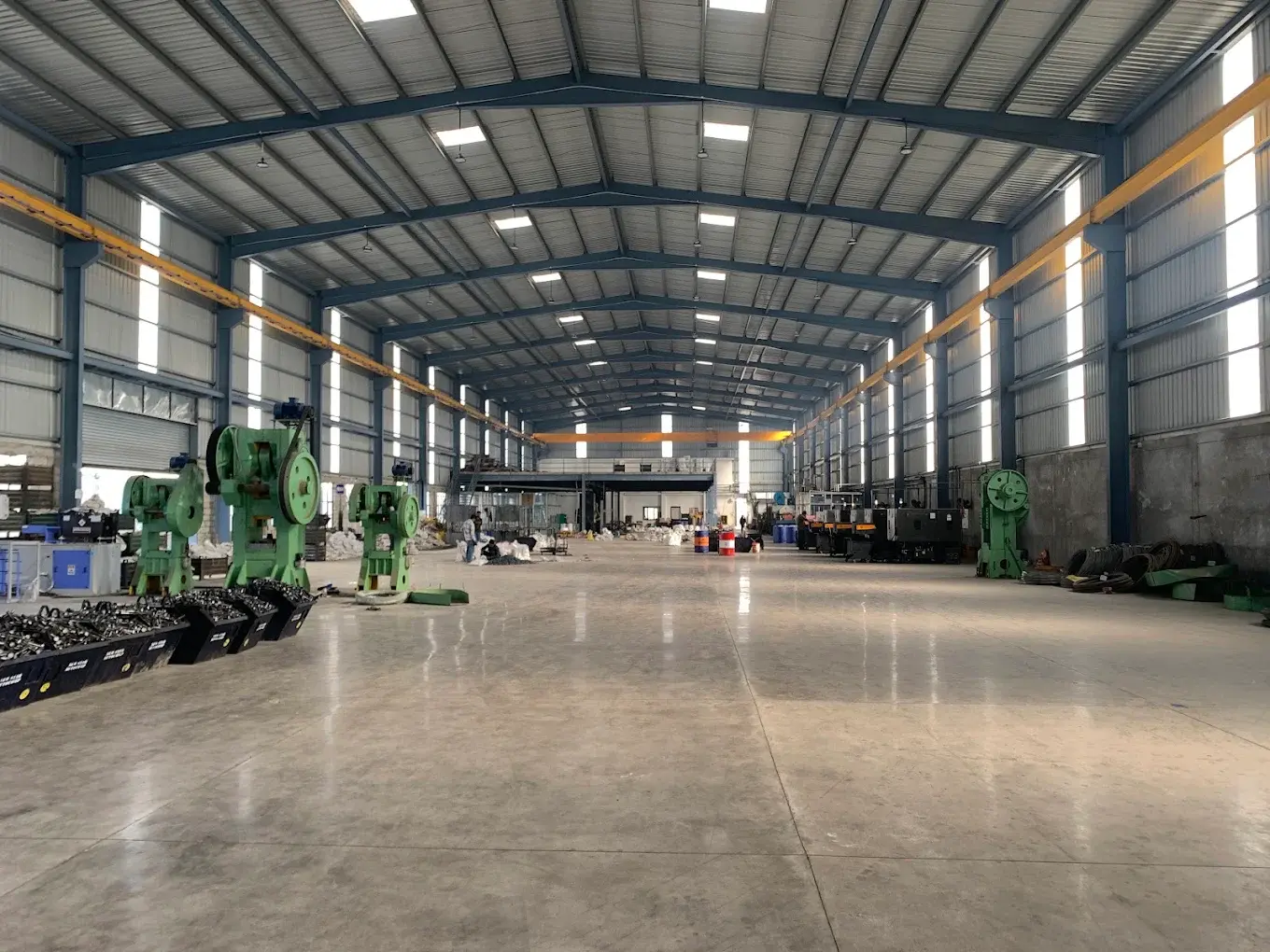
If you are looking for an HSFG bolts manufacturer in Ludhiana, New Star Industries produces heavy hex head structural bolts in grades 8.8 and 10.9, and its products are supplied under the Baaz Fasteners brand. See the full range of HSFG bolts and send us your drawing or requirements for a quote.
Common Mistakes to Avoid
- Using ordinary hex bolts and nuts in a joint that is designed as a friction grip connection.
- Mixing nuts and washers from different suppliers or standards with the bolts.
- Tightening with an uncalibrated wrench, or tightening without a snug-tight stage first.
- Reusing bolts that have already been fully tightened to their preload.
- Painting or galvanising joint surfaces without checking the slip factor assumed in the design.
- Accepting a delivery without lot test certificates and clear head markings.
Frequently Asked Questions
What is IS 3757?
IS 3757 is the Indian standard for high strength structural bolts used in steel structures, including HSFG bolts. It is used with high strength nuts to IS 6623 and hardened washers to IS 6649, and installation follows IS 4000.
What do 8.8S and 10.9S mean on HSFG bolts?
They are the two structural property classes for IS 3757 bolts. The first number times 100 gives the nominal tensile strength in MPa, so 8.8S is about 800 MPa and 10.9S about 1000 MPa. The S suffix marks the bolt as structural grade.
Which nut and washer go with IS 3757 bolts?
High strength structural nuts to IS 6623 (class 8 or 10, matched to the bolt) and hardened and tempered washers to IS 6649. Buy them from the same supplier and lot as the bolts.
Is IS 3757 the same as EN 14399?
No. Both are for friction grip structural joints, but they are separate standards with different dimensions, testing and certification routes. EN 14399 certifies the complete bolt, nut and washer assembly for preloading.
How are IS 3757 HSFG bolts tightened?
IS 4000 covers installation. Common methods are torque control with a calibrated wrench, the turn-of-nut method, and DTI washers where specified. Follow the method and preload in your project specification.
IS 3757 HSFG bolts are the standard choice for friction grip joints in Indian steel construction. The key points are simple: use class 8.8S or 10.9S as specified, pair the bolts with IS 6623 nuts and IS 6649 washers, install them to IS 4000 with calibrated tools, and buy matched sets with full test certificates.
Before ordering, confirm the standard edition, the property class, the sizes and the installation method with your engineer. That avoids most of the delays and rejections on site.